Lawn Care Secrets: The Real Maintenance Difference, Natural vs. Synthetic
A healthy natural lawn in New Jersey demands a 12-month program — mowing, watering, fertilizing, aerating, overseeding. Synthetic turf's entire program is an occasional brush and rinse. The honest comparison is about which schedule you want to own.
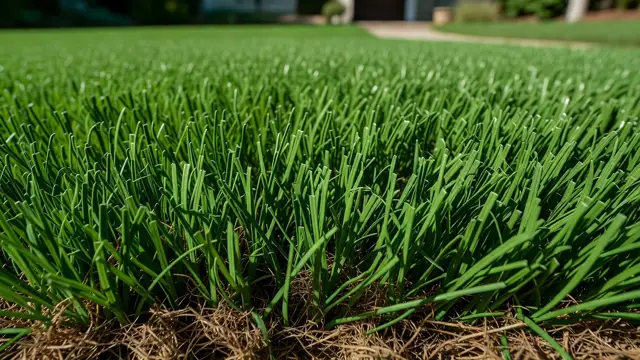
What does a natural lawn really require?
- Weekly mowing April through October (25+ mows a season).
- An inch of water per week in summer — the largest line on many water bills.
- Fertilizer, pre-emergent, and grub control on a calendar.
- Fall aeration and overseeding to repair summer damage.
What does synthetic turf require?
Cross-brush high-traffic lanes now and then, rinse dust or pet areas, and clear leaves with a blower. Drainage is engineered into the base, so puddles and mud never appear. Pet-grade systems add an antimicrobial infill that keeps odor down with a hose rinse.
When does synthetic pay for itself?
Between water, products, and either weekend hours or a lawn service, most NJ households spend well into four figures a year on natural grass. Against that spend, a turf conversion typically reaches break-even in a handful of seasons — run your own numbers with our estimate calculator.
Done With Mowing?
Free, no-obligation estimates across Middlesex, Monmouth, Ocean, Essex, Union, and Bergen counties — plus Brooklyn, Staten Island, and Queens.
More from Turf Boss: all articles · project portfolio · instant estimate calculator · turf grades & infill types · spring landscaping checklist · backyard playground buying guide